Fire pit nights at home with Lewis
Lewis had always enjoyed sitting near a fire with his family. After several months of planning, fire pit nights became a familiar outdoor routine he could enjoy at home.
Quick read
What Lewis wanted to achieve
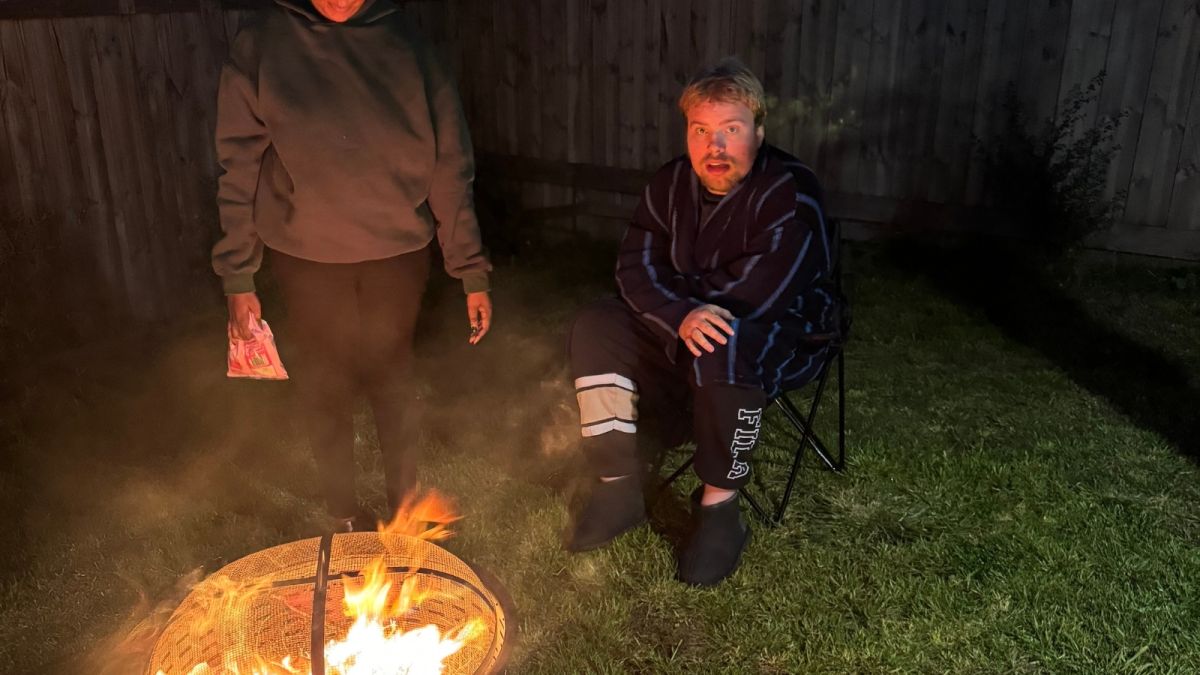
Sitting near the fire when he spends time with his family. The warmth, colour and movement of the flames help him feel calm and settled.
What we needed to plan for
Bringing fire pit nights into Lewis’ SDA home meant planning carefully around fire safety, sensory needs, behaviour support, staff training and the backyard set-up.
What goals were achieved
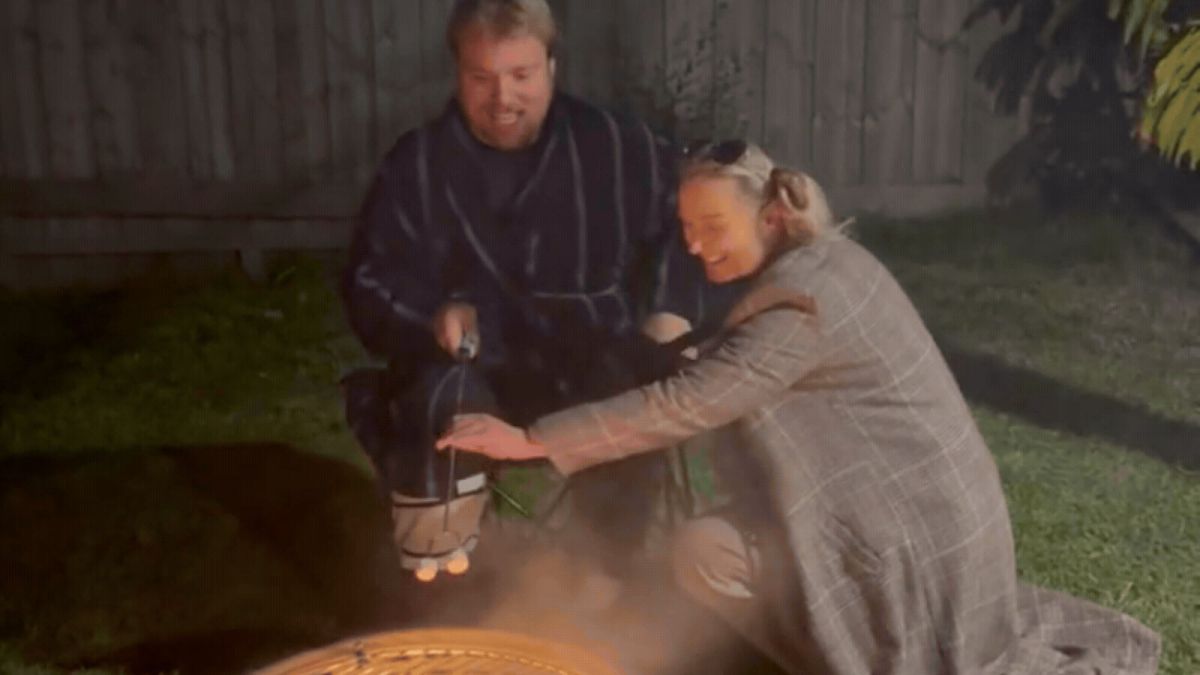
With the right planning now in place, Lewis regularly enjoys fire pit nights at home, helping with the fire pit setup routine and toasting marshmallows in his own backyard.
Longer read
Lewis enjoys sitting near a fire when he visits his family. It’s familiar to him, and his family knows the warmth, colour and movement of the flames help him feel calm and settled.
His InLife support team see this too. When Lewis says, “Fire, fire, fire”, they understand he’s asking for a fire pit night.
For many people, a fire pit night is a fairly ordinary thing. You bring out the fire pit, set up a few chairs, toast some marshmallows and spend time outside.
In a supported home setting, there’s often more to work through. There can be more people involved, more safety considerations to understand, and a clearer plan needed before something can become part of everyday life.
For Lewis, that meant planning around fire safety, sensory needs, behaviour support, staff training and the backyard environment.
The goal itself was simple: Lewis wanted to enjoy something at home that he already enjoys with his family. The hard part was how the InLife team would make it possible.
Starting with what Lewis enjoys
The starting point was Lewis and what he showed us.
Sitting near the fire was something Lewis knew and enjoyed. His family had seen how he responded to the warmth, colour and movement of the flames, and the team learned to recognise how much he looked forward to it.
For Lewis, the fire pit brings together:
- warmth and colour
- movement and sensory input
- time outside
- a familiar routine
- a chance to take part from set-up to pack-away
The question wasn't just whether a fire pit can be used. The question was what needed to be in place for Lewis to enjoy it safely at home.
Working through the planning
A lot of people were involved in making fire pit nights possible.
Lewis’ family shared what they knew from his time around fire at their home. Accessible Projects, the SDA provider, was involved because the activity uses the property and backyard space. The occupational therapist assessed the home environment and helped identify where the fire pit can be placed safely.
The behaviour support practitioner provided guidance around Lewis’ responses and any risk management strategies staff needed to understand. Bernado, from InLife’s quality team, supported the risk assessment process, while his InLife coordinator and client service manager helped prepare team guidance, fire safety planning and training documents.
The assistants supporting the home also needed to feel safe and supported before the activity become part of the routine.
The planning included practical details such as:
- where the fire pit sits
- how the hose is connected
- how the fire is lit
- how long the activity runs
- what the team look for while Lewis is near the fire
- how the team support Lewis when he’s ready to finish
- how the fire is put out
- how the fire pit is cooled, cleaned and packed away
Before the routine was introduced, team fire safety knowledge and capacity were reviewed. A supported trial was also completed with InLife coordinator oversight, so the team could see how the routine worked in practice and make sure the steps are clear.
The planning all connected back to something familiar: helping Lewis enjoy fire pit nights at home.
Finding a safe way forward
There were moments where it would have been easy to stop at the risks.
Open fire in a supported home setting needs careful thought. There are safety, sensory, behavioural and environmental factors to consider, and everyone involved needs to feel clear about their role.
But Lewis was showing us something he wanted to be part of his life at home. His family knew what the fire meant to him, and the team could see how much he looked forward to it.
So the work became about finding a safe way forward.
That meant listening to Lewis and his family, taking advice from the people around him, and working through each practical step carefully. The goal wasn’t to remove all risk or to say yes without planning. It was to understand the risks properly, put the right safeguards in place, and support Lewis to enjoy something familiar and meaningful.
Over time, that planning became a clear routine for fire pit nights at home.
Being part of the full routine
Lewis is involved in more than sitting near the fire.
With support, he helps set up. He helps add wood. He is part of the activity from the beginning, and he’s supported to help clean and pack away when the fire pit has cooled.
The routine helps make the activity predictable. It also gives Lewis a clear role in something he enjoys, rather than having it all happen around him.
A simple pleasure at home
The fire pit is a positive part of Lewis’ home life.
His family has shared that the warmth, colour and movement of the fire support his sensory needs and sense of calm. His InLife support team can see how much he looks forward to it too.
A support coordinator who saw footage of Lewis toasting marshmallows shared this reflection:
“It is a breath of fresh air to work with a SIL provider like InLife and see suggestions from professional care teams embraced. I saw the footage of marshmallows being toasted on the fire pit, and it brought on tears.”
Support coordinator
For Lewis, fire pit nights mean a simple pleasure from family life can be part of home.